The Journal

The wild and remote Upper Zat

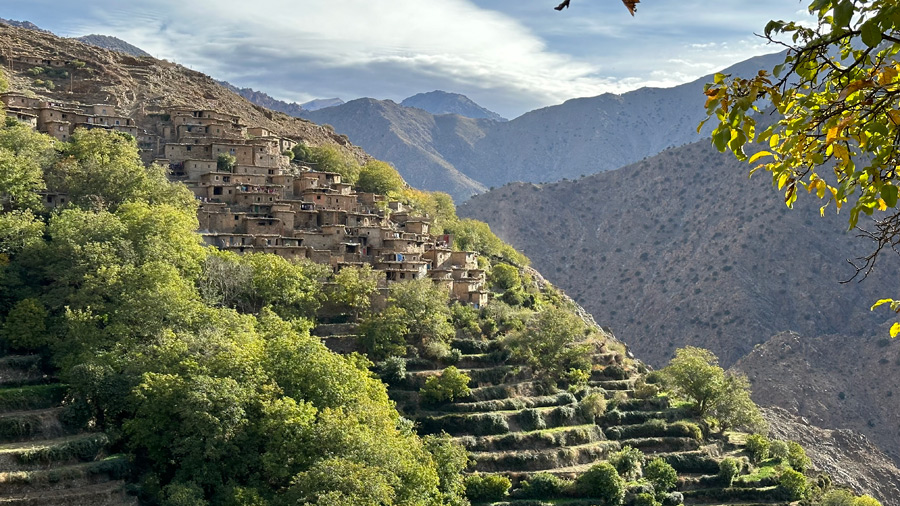
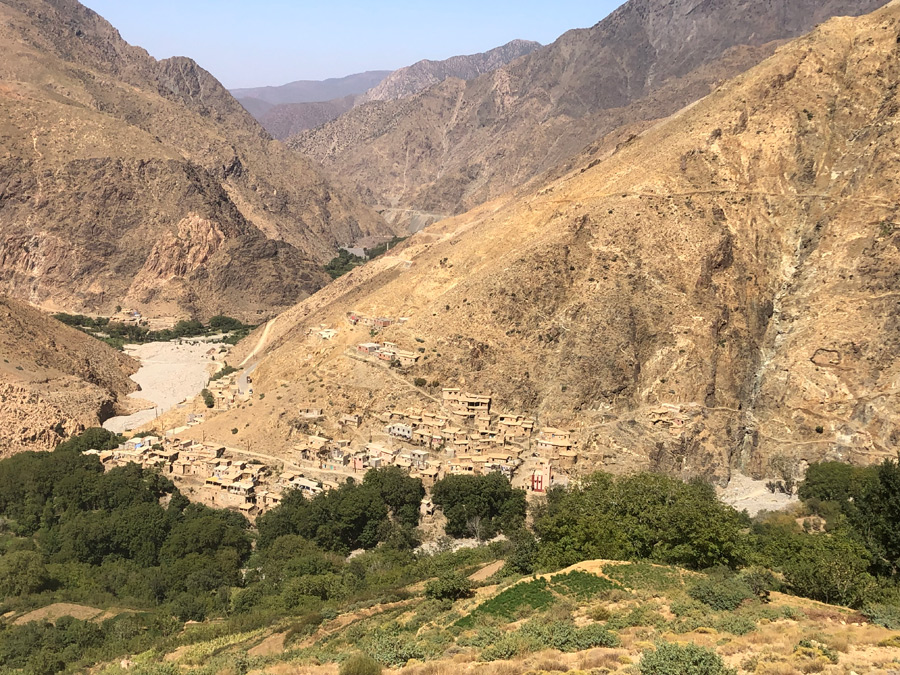
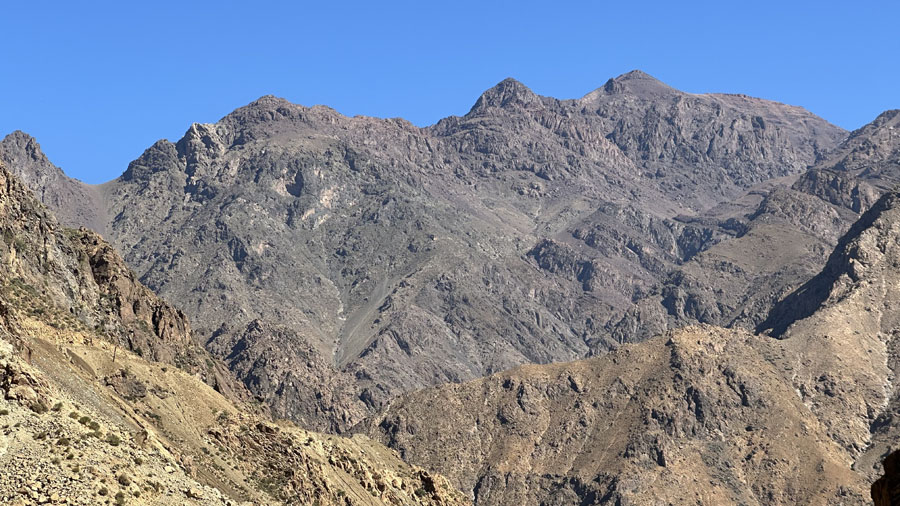
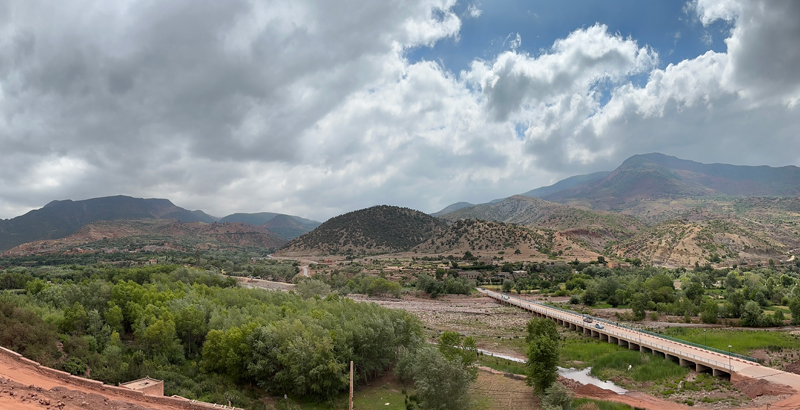
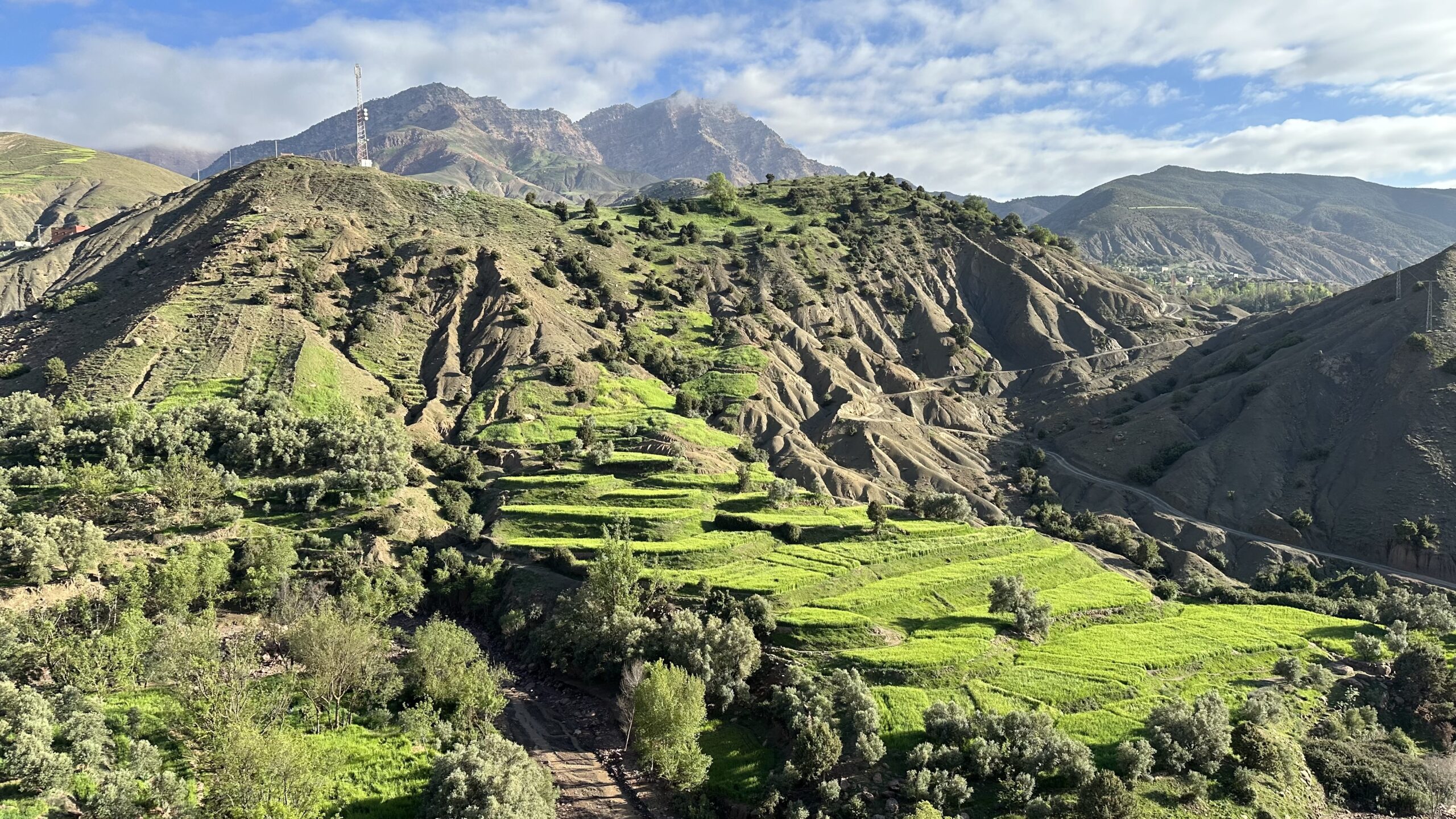
The Upper Zat has carved a magnificent narrow, steep-sided valley out of the granite, with high cliffs on either side. A path runs alongside the river, when it is not crossing it, lined with tall walnut trees that in places form a tunnel of greenery and coolness. Higher up, villages cling to the walls. Still untouched by modernity, they offer breathtaking views of the valley.

Continue reading “The wild and remote Upper Zat”

Anssa, a village perched at the bottom of the Zat

At the end of the road that winds its way into the Zat valley, at the foot of imposing mountains, lies this authentic little village, which until recently was isolated, with its earth and stone houses, narrow terraces perched high up and irrigated by a spring captured at altitude, and two half-millennium-old walnut trees that cast their benevolent shade over the village square.

Continue reading “Anssa, a village perched at the bottom of the Zat”

The Aït Inzal plateau

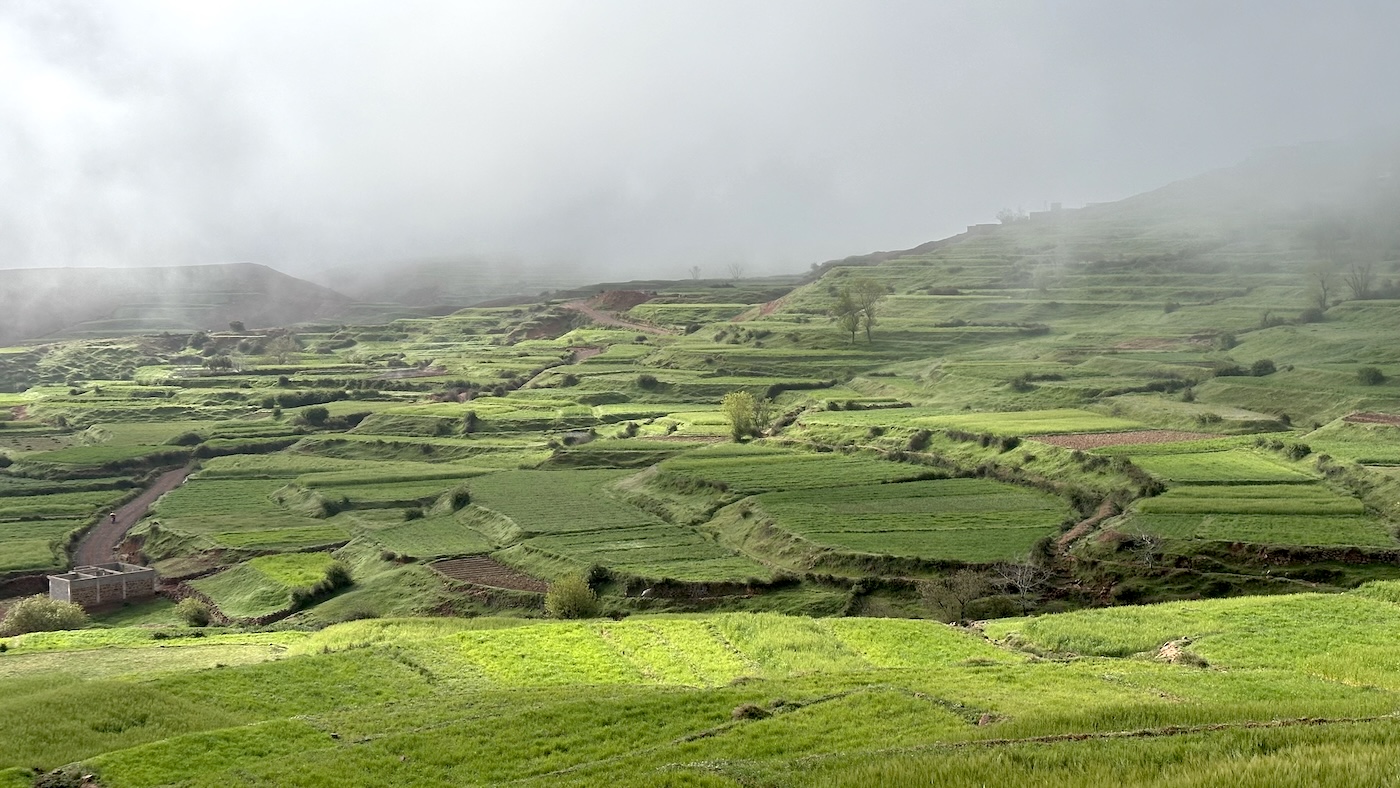
On the eastern side of the Yagour, which descends towards the Zat, a cluster of villages has settled on a large plateau at medium altitude, ideal for farming. These tightly packed villages, where many old stone houses remain, with ash trees cultivated along the banks of the stream and dating back several centuries, bear witness to an ancient tradition that modernity has barely disturbed.

Continue reading “The Aït Inzal plateau”

The Afra Plateau (+2,000 m)

You may be lucky enough to make the short crossing of the Afra Plateau a few weeks after the spring rains: it is then covered with a high meadow of flowers, which alone is worth coming to see this ephemeral treasure.

The small Afra Plateau is nestled beneath the Tizi-n-Tichka Pass, under the benevolent gaze of Adrar Tircht, the highest point in the area at 3,510 m. It is best approached from above to make the hike more enjoyable.

Continue reading “The Afra Plateau (+2,000 m)”

Aït Ourir and its Tuesday market

Tous les mardis se tient un souk rural où convergent les montagnards des environs. Immense, authentique, vivant, coloré, bruyant, il offre une véritable immersion dans le Maroc rural. Aït Ourir, en pays berbère, vaut un petit détour sur sa place centrale, avec son petit marché couvert, sa station d’antiques carrioles qui font office de taxis dans la ville.

Continue reading “Aït Ourir and its Tuesday market”

The Arbaa of Tighdouine, in the heart of the Zat Valley

larbaa-de-tighdouine-au-coeur-de-la-vallee-du-zat

À une heure trente de Marrakech, l’Arbaa de Tighdouine, un souk rural qui se tient le mercredi, est une immersion directe dans le monde des montagnes du Zat. Juste en face, les sources de Sidi El Ouafi valent le détour pour boire son eau légèrement gazeuse. Ses vertus digestives sont toutes indiquées après un tajine authentique que vous ne manquerez pas de déguster dans un des nombreux petits restaurants du coin.

Continue reading “The Arbaa of Tighdouine, in the heart of the Zat Valley”

The Yagour, a high mountain pasture plateau

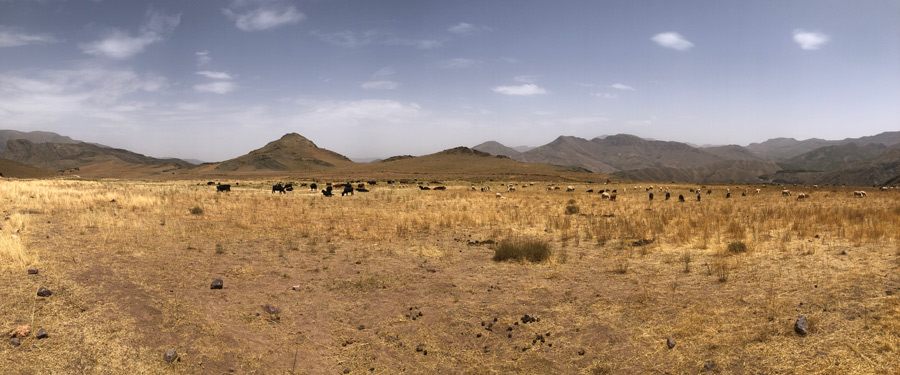
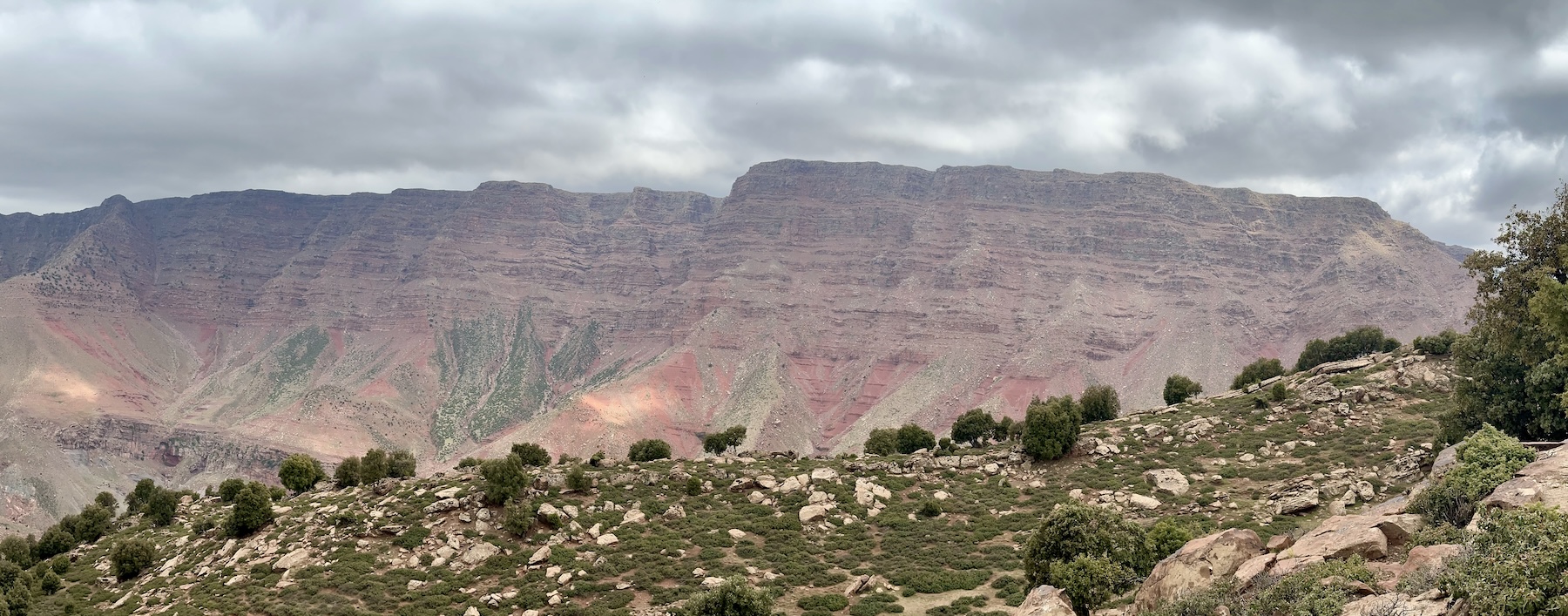
In the western High Atlas Mountains, which stretch across the entire southern horizon of Marrakech and are pierced by steep-sided valleys, plateaus are very rare. The Adrar Yagour is one of these precious exceptions. It lies hidden behind a high ridge of red sandstone that rises to 2,728 metres at Adrar Yagour, overlooking Marrakech and the Haouz plain. Behind this dark barrier, the plateau stretches over twenty kilometres from Oued Zat in the east to Oued Ourika in the west, and is four to five kilometres wide.

Continue reading “The Yagour, a high mountain pasture plateau”

Green or black?

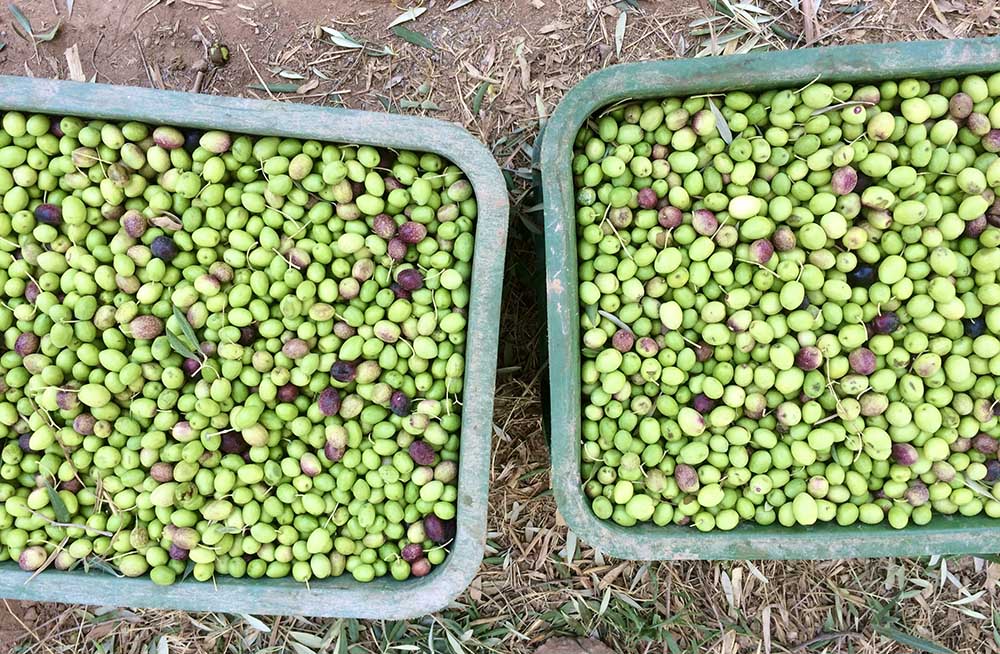
When you grow olive trees, the question of why there are black olives and green olives seems quite incongruous. But it’s a question that has been on our minds for a long time, even before we started growing them. Obviously, an olive is black when it is fully ripe, and as long as it is not, it is green; but it can also be purple or turning between the two stages.

Continue reading “Green or black?”